 English

Views: 0 Author: Site Editor Publish Time: 2026-03-31 Origin: Site


Have you ever wondered how crucial dental endodontic files are in root canal treatments? These essential tools play a vital role in ensuring successful procedures. In this post, we’ll discuss the importance of endodontic files and when they should be replaced to maintain optimal performance and patient safety.
Dental endodontic files are essential tools for root canal treatments, and they come in various types, each designed for specific tasks and preferences in endodontic procedures. Understanding the different types of files available can help dental professionals choose the right instruments for their practice.
Manual endodontic files are traditional tools that dentists have used for many years. These files are hand-operated and come in various shapes and sizes, allowing practitioners to manually shape and clean the root canals.
Advantages: They provide tactile feedback, allowing dentists to feel the resistance and adjust their technique accordingly. This can be particularly beneficial in complex cases.
Disadvantages: Manual files can be time-consuming to use, especially in longer or more curved canals. They also require more skill and experience to use effectively.
Rotary endodontic files, powered by dental handpieces, have gained popularity due to their efficiency and speed. These files are typically made of nickel-titanium (NiTi), which allows for greater flexibility and strength compared to traditional stainless-steel files.
Advantages: They reduce the time needed for root canal preparation and can navigate curved canals more easily. The consistent motion helps to achieve a smoother canal shape.
Disadvantages: Rotary files can be more expensive than manual files and may require additional training for proper use. There's also a risk of file separation if not used correctly.
The choice between single-use and reusable endodontic files is crucial for both infection control and cost considerations.
Single-Use Files: These are designed for one-time use only. After a single patient, they are disposed of. This approach minimizes the risk of cross-contamination and infection, particularly important in light of concerns like variant Creutzfeldt-Jakob disease (vCJD).
Advantages: They eliminate the need for sterilization, reducing the risk of contamination. They also ensure that each file is in optimal condition for use.
Disadvantages: The cost can accumulate over time, especially in high-volume practices.
Reusable Files: These can be sterilized and used multiple times. They are often more cost-effective for practices that perform many root canal treatments.
Advantages: Lower long-term costs and less waste. They can be a more sustainable option if managed properly.
Disadvantages: They require strict adherence to sterilization protocols to ensure patient safety, which can be a challenge.
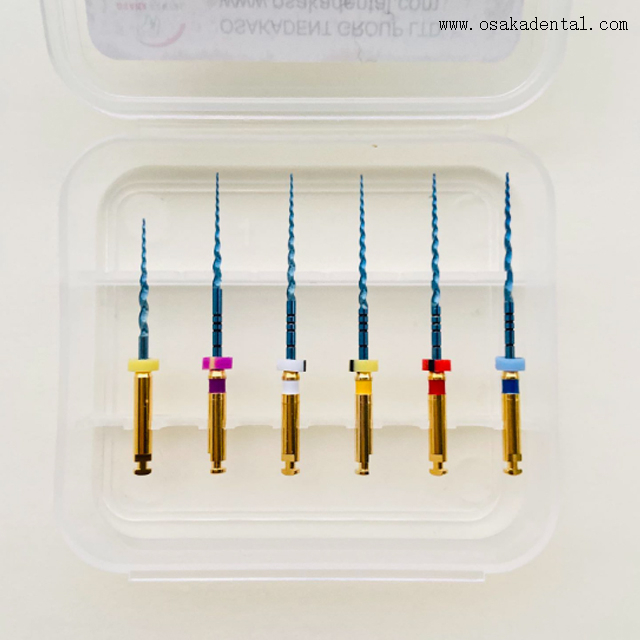
Dental endodontic files are crucial tools used in root canal treatments. Over time, these files can wear down, leading to questions about when they should be replaced. Understanding the signs of wear, following manufacturer guidelines, and recognizing the impact of file condition on treatment outcomes are essential for ensuring effective and safe dental procedures.
Dental endodontic files can show signs of wear and tear through various indicators. These include:
Visual Inspection: Look for visible bending, deformation, or breakage. If a file appears distorted, it’s time to replace it.
Loss of Cutting Efficiency: If the file is not effectively shaping or cleaning the canal, it may be dull and should be replaced.
Discoloration: Staining or discoloration can indicate that the file has been compromised or contaminated.
Increased Resistance: If the file feels more resistant during use, it may be losing its effectiveness and should be replaced.
Manufacturers provide specific guidelines regarding the lifespan and usage of their endodontic files. These guidelines often include:
Usage Limits: Many manufacturers recommend a maximum number of uses for their files. For instance, a file may be designed for single-use or a limited number of uses.
Sterilization Instructions: Following proper sterilization methods is crucial for reusable files. If sterilization is not effective or if the file has been used beyond its recommended limit, it should be discarded.
Maintenance Recommendations: Some files require specific care or maintenance after each use. Failure to adhere to these recommendations can lead to premature wear.
The condition of dental endodontic files directly affects treatment outcomes. Using worn or damaged files can lead to several issues:
Incomplete Cleaning: A compromised file may not effectively remove debris or shape the canal properly, leading to potential treatment failure.
Increased Risk of Complications: Using a damaged file increases the risk of file separation within the canal, which can complicate the procedure and necessitate additional treatments.
Patient Discomfort: Inefficient tools can lead to prolonged treatment times and increased discomfort for the patient.
Proper decontamination of dental endodontic files is crucial for patient safety and the efficacy of endodontic treatments. These files come into direct contact with the inner structures of teeth, making them susceptible to contamination with blood, saliva, and other biological materials. If not adequately cleaned and sterilized, these instruments can pose a significant risk of infection transmission, including serious diseases such as variant Creutzfeldt-Jakob disease (vCJD) and other pathogens.
In light of these risks, dental professionals must prioritize rigorous decontamination protocols. This includes following established guidelines for cleaning, disinfecting, and sterilizing instruments to prevent cross-contamination between patients. The consequences of inadequate decontamination can lead to treatment failures, prolonged patient discomfort, and potential legal ramifications for practitioners.
There are several methods for sterilizing endodontic files, each with its own advantages and challenges:
Autoclaving: This is the most common method for sterilizing dental instruments. Autoclaves use high-pressure steam to kill bacteria, viruses, and spores. Files must be thoroughly cleaned before autoclaving to ensure effective sterilization.
Chemical Disinfection: Some dental practices use chemical agents, such as sodium hypochlorite or glutaraldehyde, to disinfect files. While effective, these methods often require longer exposure times and may not eliminate all pathogens.
Single-Use Files: The adoption of single-use endodontic files is gaining traction. These files are designed for one-time use, significantly reducing the risk of cross-contamination. After use, they are disposed of, eliminating the need for reprocessing and the associated risks.
Reprocessing endodontic files presents several challenges:
Residual Contamination: Studies have shown that even with thorough cleaning, residual proteins and contaminants can remain on files, increasing the risk of infection. This is particularly concerning for reusable files, which may not be adequately cleaned between uses.
File Integrity: Repeated sterilization can compromise the integrity of endodontic files. Over time, files may become bent, dull, or damaged, affecting their performance during procedures. Dentists must regularly inspect files for wear and replace them as necessary.
Compliance with Guidelines: Adhering to manufacturer instructions and local regulations for decontamination can be complex. Dental professionals must stay informed about best practices and ensure their staff is adequately trained.
Dental endodontic files are critical tools in root canal procedures, and their proper use is governed by various regulations and guidelines. These regulations ensure patient safety and effective treatment outcomes. Understanding these guidelines helps dental professionals navigate their responsibilities regarding the use and reprocessing of endodontic files.
Globally, organizations like the International Organization for Standardization (ISO) set standards for dental instruments, including endodontic files. These standards cover aspects such as:
Material Quality: Ensuring files are made from high-quality materials to prevent breakage or deformation.
Design Specifications: Guidelines on the design that enhance the efficacy and safety of the files during use.
Sterilization Protocols: Recommendations on how to properly sterilize reusable instruments to prevent cross-contamination.
These standards are essential for maintaining uniformity in the quality and safety of dental instruments across different regions and practices.
In addition to international standards, local health authorities often issue specific guidelines tailored to regional practices and regulations. For example, in the UK, the National Health Service (NHS) emphasizes the importance of treating endodontic files as single-use instruments to minimize infection risks, particularly concerning variant Creutzfeldt-Jakob disease (vCJD). Key points from these local guidelines include:
Single-Use Policies: Instruments designated as single-use must not be reprocessed. This is crucial for endodontic files, which can retain contaminants even after cleaning.
Decontamination Standards: Strict adherence to decontamination protocols for reusable files is mandated, ensuring that all instruments are properly cleaned and sterilized before use.
Training Requirements: Dental professionals must undergo training to understand the guidelines and the importance of compliance.
The trend towards single-use endodontic files is gaining momentum due to concerns over infection control. The advantages of adopting single-use policies include:
Reduced Risk of Infection: Single-use files eliminate the risk of cross-contamination between patients, which is particularly vital in endodontic procedures.
No Need for Reprocessing: This saves time and resources that would otherwise be spent on cleaning and sterilizing instruments.
Consistent Quality: Single-use files ensure that each instrument is in pristine condition, enhancing treatment efficacy.
Health authorities recommend that dental practices implement strict protocols for the disposal of single-use files after each patient. This includes clear labeling and staff training to ensure compliance.
When it comes to endodontic procedures, the effective use of dental endodontic files is paramount. These tools are critical for ensuring successful root canal treatments, and adhering to best practices can significantly enhance patient outcomes. Here, we’ll explore techniques for effective use, the importance of training and education for dentists, and key patient safety considerations.
Using dental endodontic files effectively requires a combination of skill, knowledge, and proper technique. Here are some essential practices:
Choose the Right File: Select the appropriate type and size of file based on the specific case. Factors such as canal curvature and diameter play a crucial role in this decision.
Maintain Proper Angulation: Ensure that the file is inserted at the correct angle to facilitate effective cleaning and shaping of the canal. Poor angulation can lead to file separation or inadequate canal preparation.
Use Controlled Force: Apply gentle, controlled pressure while using the files. Excessive force can lead to file breakage and may cause trauma to the canal walls.
Regularly Irrigate: Use an appropriate irrigating solution, such as sodium hypochlorite, during the procedure. This helps to remove debris and disinfect the canal, improving the overall effectiveness of the treatment.
Monitor File Condition: Regularly inspect files for signs of wear and tear. Using worn or damaged files can compromise treatment quality and increase the risk of complications.
Continuous education is vital for dental professionals. Here’s why:
Stay Updated on Techniques: Endodontic practices evolve, and new techniques or materials frequently emerge. Ongoing training ensures dentists are aware of the latest advancements.
Hands-On Workshops: Participating in workshops and hands-on training sessions can enhance practical skills. This is especially important for mastering the use of rotary or reciprocating files.
Peer Learning: Engaging with peers can provide valuable insights into different approaches and techniques. Sharing experiences can lead to improved practices within a dental team.
Certification Programs: Consider enrolling in certification programs focused on endodontics. These can provide in-depth knowledge and specialized training that can enhance clinical skills.
Ensuring patient safety during endodontic procedures is paramount. Here are key considerations:
Infection Control: Implement strict infection control protocols, including the use of sterilized or single-use files. This minimizes the risk of cross-contamination.
Informed Consent: Always obtain informed consent from patients before performing procedures. Explain the risks and benefits associated with endodontic treatment.
Post-Operative Care: Provide clear post-operative care instructions to patients. This includes information on pain management and signs of potential complications.
Emergency Preparedness: Be prepared for any complications that may arise during treatment. Having a plan in place can help manage emergencies effectively.
Regular Follow-Ups: Schedule follow-up appointments to monitor the healing process and address any concerns the patient may have.
By adhering to these best practices, dental professionals can enhance the efficacy of endodontic treatments while ensuring patient safety and satisfaction.
The future of dental endodontic files is shaped by trends in instrumentation and advancements in materials. Continuous research is essential for improving file design and effectiveness. As the industry evolves, adopting innovative techniques and tools will enhance patient safety and treatment outcomes. Osakadent offers high-quality endodontic files that prioritize durability and effectiveness, ensuring optimal performance in root canal procedures. Their commitment to excellence provides dental professionals with reliable instruments for superior patient care.
A: Dental endodontic files are used in root canal treatments to clean and shape the inner canals of teeth, ensuring effective removal of infected tissue.
A: Dental endodontic files should be replaced when signs of wear appear, such as bending or loss of cutting efficiency, or according to manufacturer guidelines.
A: Using new dental endodontic files minimizes the risk of infection and ensures optimal performance during endodontic procedures.
A: The cost of dental endodontic files varies based on type and brand, with single-use files generally being more expensive than reusable options.
A: Regularly inspect dental endodontic files for wear, follow sterilization protocols, and adhere to manufacturer recommendations to ensure effectiveness.


