English

Views: 0 Author: Site Editor Publish Time: 2026-03-31 Origin: Site


Have you ever wondered how dental endodontic files are made? These essential tools play a vital role in successful root canal therapy. In this article, we’ll explore the manufacturing processes, materials used, and innovations in dental endodontic files. Join us as we uncover the journey from raw materials to finished products.
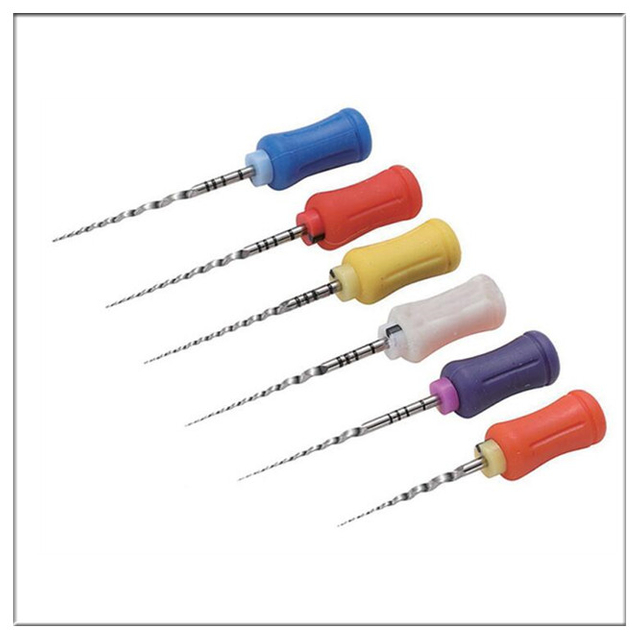
For many years, stainless steel was the standard material used in dental endodontic files because it is durable and cost-effective. However, its rigidity can create problems during root canal treatment, especially in curved canals.
Stainless steel files are often chosen for:
Good durability
Lower material cost
Long-standing clinical familiarity
But they also have clear limitations:
Less flexibility in curved root canals
Higher risk of canal transportation
Greater chance of ledging
More difficulty preserving the tooth’s natural canal anatomy
Nickel-titanium (NiTi) alloys brought a major improvement to endodontics. Their greater flexibility allows them to move through complex canal shapes more easily, making treatment safer and more efficient.
NiTi files are valued for:
High flexibility
Better adaptation to curved canals
Reduced stress during canal shaping
Lower risk of procedural errors
Early NiTi systems still had some weaknesses.
Common early concerns included:
Fatigue under repeated use
Risk of fracture in complex canal systems
Performance limitations in highly demanding cases
NiTi alloys offer several important clinical benefits compared with stainless steel files. Their flexibility helps them follow the natural curvature of the canal, which improves shaping accuracy and cleaning effectiveness.
Main advantages of NiTi files include:
Better canal tracking
Improved preservation of original canal anatomy
Reduced risk of procedural complications
More predictable shaping results
NiTi files also provide strong mechanical performance during treatment.
Additional benefits include:
Superior fracture resistance compared with stainless steel
Better ability to handle operational stress
Higher cutting efficiency
Shorter treatment time in many cases
These advantages help both clinicians and patients.
Clinical value of NiTi alloys:
More efficient procedures for dentists
Greater safety during instrumentation
Better treatment outcomes
Improved patient experience
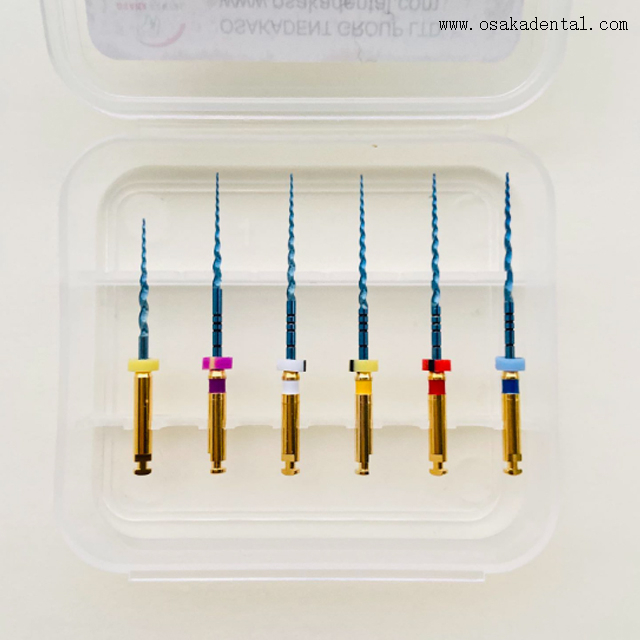
Recent material innovations have further improved endodontic file performance. One of the most notable developments is gold-treated NiTi, which is designed to increase flexibility and improve resistance to fracture.
Gold-treated NiTi files can offer:
Enhanced flexibility
Better fatigue resistance
Lower fracture risk
Longer functional lifespan
Manufacturers are also introducing proprietary alloys that combine traditional NiTi advantages with advanced metallurgical processing.
These newer proprietary alloys are developed to improve:
Overall performance
Durability
Clinical reliability
Cost-efficiency
Some modern alloys are also designed with application-specific performance in mind.
Examples of optimization goals include:
Better performance in narrow canals
Improved handling in curved canals
Greater efficiency in shaping
More consistent results across different clinical situations
The manufacturing of dental endodontic files involves several intricate processes that ensure the final product meets the high standards required for effective root canal therapy. The most common manufacturing methods include grinding and milling, each with distinct advantages and applications.
Grinding is a traditional technique where a metal rod, typically made of nickel-titanium (NiTi) or stainless steel, is shaped into a file through a series of grinding processes. This method allows for the creation of helical flutes that enhance the file's cutting efficiency. However, grinding can lead to the formation of micro-cracks in the material, affecting the durability of the final product.
On the other hand, milling has emerged as a modern alternative that offers several benefits. This method utilizes rotating milling heads to precisely cut the file's geometry from a wire blank. Milling can produce multiple flutes simultaneously, significantly reducing production time. Furthermore, it minimizes the risk of introducing micro-cracks, resulting in a more robust and reliable instrument.
When comparing grinding and milling, several factors come into play. Grinding is generally more established and can be less expensive than milling. However, milling allows for greater precision and flexibility in design. For example, milling can create complex geometries and variable tapers that grinding might struggle to achieve.
Additionally, milling can be done with high-speed tools, which not only speeds up the manufacturing process but also improves the overall quality of the files produced. The ability to adjust the milling parameters allows manufacturers to customize files for specific clinical scenarios, enhancing their performance and safety.
Heat treatment is another critical aspect of the manufacturing process for dental endodontic files. This technique involves altering the microstructure of NiTi alloys to enhance their properties. Through heat treatment, files can achieve a controlled memory effect, allowing them to return to their original shape after deformation. This property is particularly beneficial in navigating the complex anatomy of root canals.
Controlled memory technology ensures that files maintain their flexibility and strength during use. This reduces the likelihood of breakage and improves the overall safety of root canal procedures. Manufacturers are increasingly adopting these technologies to produce files that not only meet but exceed industry standards.
In conclusion, the manufacturing process of dental endodontic files is a sophisticated interplay of grinding, milling, heat treatment, and advanced materials technology. Each method contributes to the creation of effective, safe, and durable instruments essential for successful root canal therapy.
Tip: When selecting endodontic files, consider the manufacturing method and material properties to ensure optimal performance in various clinical situations.
The cross-sectional shape of dental endodontic files plays a crucial role in their performance during root canal procedures. Different shapes, such as triangular, square, or round, each have unique cutting characteristics and impact how files navigate through the complex anatomy of root canals.
| Cross-Sectional Shape | Main Characteristic | Clinical Impact |
|---|---|---|
| Triangular | Aggressive cutting action | Effective for shaping and cleaning, but may increase the risk of ledging or canal transportation |
| Square | Strong structure and balanced cutting | Offers stability and durability during canal preparation |
| Round | Less aggressive cutting | Gentler on canal walls and supports a smoother shaping process |
For instance, triangular files are known for their aggressive cutting ability, making them effective in shaping and cleaning the canal. However, they may also increase the risk of ledging or canal transportation. Conversely, round files tend to be less aggressive but are gentler on the canal walls, promoting a smoother shaping process.
Choosing the right cross-sectional shape is vital for achieving successful clinical outcomes. Dentists must consider the canal's curvature and complexity when selecting files to ensure optimal performance.
Taper refers to the gradual reduction in diameter along the length of the file. A well-designed taper allows for efficient removal of debris while maintaining the integrity of the canal structure. Files with a greater taper can remove more material, which is beneficial in wider canals. However, they may also compromise the strength of the file, increasing the risk of fracture during use.
The helix angle, which describes the angle of the flutes relative to the file’s long axis, also influences performance. A larger helix angle can enhance cutting efficiency and reduce the likelihood of binding in the canal. However, it may also lead to a higher risk of file separation if not properly managed.
Manufacturers are continually refining these design features to balance cutting efficiency and safety. Understanding the implications of taper and helix angle helps dental professionals select the most appropriate files for their specific clinical needs.
Surface coatings have become an important aspect of endodontic file design. These coatings can enhance the durability and performance of files. For example, titanium nitride coatings create a harder surface that reduces friction and wear. This results in improved cutting efficiency and longer-lasting instruments.
Additionally, some files are treated with specialized coatings that improve their resistance to corrosion and fatigue. These advancements are particularly important in the context of infection control, as files must withstand repeated sterilization processes without degrading.
The benefits of surface coatings extend beyond durability; they also contribute to better patient outcomes. Files that maintain their cutting efficiency and structural integrity throughout procedures reduce the risk of complications, leading to more successful root canal treatments.
Dental endodontic files must exhibit both flexibility and fracture resistance to perform effectively during root canal procedures. Flexibility allows these files to navigate the complex anatomy of root canals, which often includes curves and irregularities. Nickel-titanium (NiTi) files are particularly noted for their superior flexibility compared to traditional stainless steel files. This characteristic significantly reduces the risk of file separation and enhances the overall safety of the procedure.
Fracture resistance is equally crucial. Files that can withstand the stresses of bending and torsion without breaking are essential for maintaining the integrity of the treatment. Recent advancements in material science have led to the development of heat-treated NiTi files, which exhibit improved fracture resistance. These innovations ensure that files can endure repeated use without compromising their structural integrity.
In the clinical setting, safety is paramount. Dental endodontic files must not only be effective but also safe for both the patient and the practitioner. The risk of file breakage during a procedure can lead to complications, requiring additional interventions. Modern files, particularly those made from advanced materials, are designed to minimize these risks.
Infection control is another critical aspect of clinical safety. The use of single-use endodontic files has become increasingly popular due to their ability to eliminate the risk of cross-contamination. Each patient receives a sterile, unused file, aligning with stringent infection control protocols. This practice not only enhances patient safety but also simplifies the sterilization process for dental practices.
Single-use endodontic files offer several advantages over reusable options. First, they significantly reduce the risk of infection, as they are discarded after one use. This is particularly important in light of heightened awareness and regulations surrounding infection control in dental practices.
Additionally, single-use files ensure consistent performance. Reusable files can wear down over time, leading to decreased efficacy and increased risk of complications. In contrast, each single-use file is brand new, providing optimal cutting efficiency and flexibility. This reliability is essential for achieving successful outcomes in root canal therapy.
Furthermore, the convenience of single-use files can streamline workflow in dental practices. Dentists can save time on sterilization processes, allowing them to focus more on patient care. This efficiency can lead to shorter appointment times and improved patient satisfaction.
In summary, the performance and safety of dental endodontic files are critical to successful root canal procedures. The flexibility and fracture resistance of modern files, combined with stringent infection control measures and the advantages of single-use options, contribute to improved clinical outcomes and enhanced patient safety.
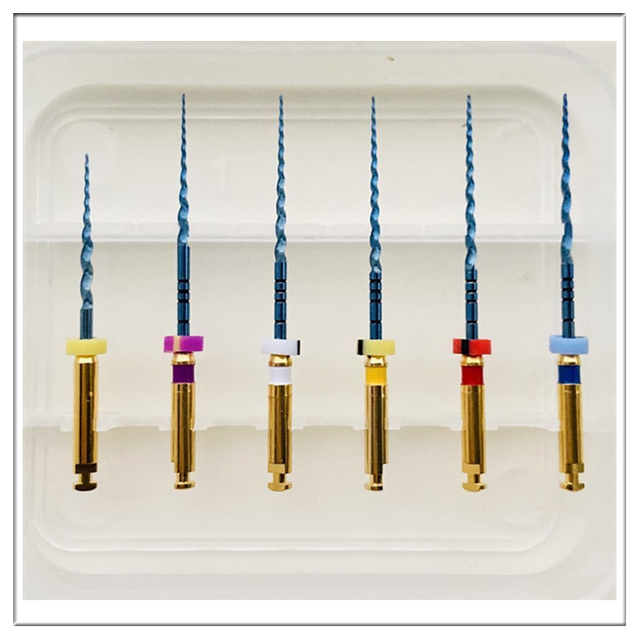
The clinical implications of using high-quality dental endodontic files are profound, particularly in enhancing the outcomes of root canal procedures. Modern endodontic files, especially those made from nickel-titanium (NiTi) alloys, have shown remarkable improvements in flexibility and fracture resistance. This flexibility allows dentists to navigate the complex anatomy of root canals more effectively, which is crucial for successful cleaning and shaping.
Studies indicate that the use of advanced NiTi files can lead to higher success rates in root canal therapies. For instance, files with controlled memory technology maintain their shape during use, minimizing the risk of procedural complications such as ledging or canal transportation. These advancements not only improve the efficiency of the procedure but also enhance patient comfort and satisfaction.
Despite the advancements in endodontic files, clinicians face challenges when selecting the appropriate file for specific cases. The variety of file designs, materials, and sizes can be overwhelming. Factors such as canal curvature, the complexity of the anatomy, and the specific treatment goals must all be considered.
For example, files with a larger taper may be more effective in wider canals but could compromise the strength of the file. Conversely, files with a smaller taper may be better suited for narrow canals but may require more effort to remove debris. Therefore, dentists must be well-informed about the characteristics of different files to make the best choice for each patient.
The introduction of advanced endodontic files necessitates continuous education and training for dental professionals. Understanding the latest materials, manufacturing processes, and clinical implications is vital for optimizing patient outcomes. Training programs should focus on the practical application of these files in clinical settings, including hands-on workshops and seminars.
Moreover, as manufacturers continue to innovate, staying updated on new technologies and techniques will be essential. Dentists who invest time in training can better leverage the advantages of modern endodontic files, ultimately leading to improved patient care and treatment success.
Dental endodontic files have evolved significantly, transitioning from stainless steel to advanced nickel-titanium alloys. These materials enhance flexibility and fracture resistance, improving root canal outcomes. The manufacturing processes, including grinding and milling, play a crucial role in file performance. Continuous development in design features, such as cross-sectional shapes and surface coatings, ensures better patient care. Osakadent offers innovative endodontic files that provide exceptional value, optimizing treatment efficiency and enhancing safety for both dentists and patients.
A: Dental endodontic files are specialized instruments used in root canal procedures to clean and shape the interior of the tooth's canal.
A: Dental endodontic files are manufactured through grinding or milling processes, with advancements in materials like nickel-titanium (NiTi) enhancing their performance.
A: Nickel-titanium offers superior flexibility and fracture resistance, making it easier to navigate complex canal shapes during procedures.
A: The cost of dental endodontic files can vary widely based on materials, design, and whether they are single-use or reusable.
A: Single-use dental endodontic files reduce the risk of infection, ensure consistent performance, and streamline the workflow in dental practices.