English

Views: 0 Author: Site Editor Publish Time: 2026-03-31 Origin: Site


Did you know that dental practices significantly contribute to environmental waste? As awareness of sustainability grows, the dental industry faces pressure to adopt eco-friendly practices, particularly concerning disposable dental endodontic files. In this article, we’ll explore sustainability trends, the environmental impact of endodontic instruments, and innovative solutions for greener dental care.
Dental practices contribute significantly to carbon emissions, and endodontic procedures are no exception. The carbon footprint of a dental practice encompasses several factors, including:
Energy consumption during daily operations
Waste generation from treatments and disposables
Materials used in dental procedures
Manufacturing and disposal of single-use instruments
For instance, the use of single-use dental instruments, particularly endodontic files, increases waste and emissions associated with manufacturing and disposal. A study conducted at the Faculty of Dentistry at Malmö University highlighted the importance of understanding the carbon impact of these materials. By assessing the entire life cycle of dental instruments, practices can identify opportunities to reduce their environmental footprint.
Life Cycle Assessment (LCA) is a crucial tool for evaluating the environmental impact of dental instruments, particularly in endodontics. An LCA examines every stage of a product's life, including:
Raw material extraction
Manufacturing and processing
Product usage in clinical settings
Disposal and end-of-life treatment
For dental endodontic files, this means analyzing the resources consumed during production, the emissions generated during their use, and the waste produced after disposal. Research indicates that a significant portion of the environmental burden comes from the production phase, where energy-intensive processes and resource extraction can lead to high emissions. By understanding these impacts, dental professionals can make informed choices about the materials they use and explore alternatives that are more sustainable.
Endodontics relies heavily on various materials and instruments, contributing to resource consumption. The production of dental endodontic files requires:
Raw materials such as stainless steel and nickel-titanium
Energy for manufacturing and processing
Water for production and cleaning
Additional energy for sterilization of reusable tools
For example, stainless steel and nickel-titanium, commonly used in endodontic files, have substantial environmental footprints due to mining and processing activities. Furthermore, the sterilization process for reusable instruments involves significant energy use.
Minimizing resource consumption can be achieved through strategies such as:
Adopting reusable instruments where appropriate
Utilizing digital technologies to reduce material waste
Implementing efficient sterilization methods
Reviewing procurement choices for more sustainable options
Minimally invasive techniques are revolutionizing endodontics. These methods focus on preserving as much healthy tooth structure as possible while effectively treating dental issues. By using advanced imaging technologies and precise instruments, dental professionals can identify problems early and treat them without extensive drilling or removal of tooth material. This approach not only enhances patient comfort but also reduces the need for additional procedures, thereby minimizing waste and resource consumption.
For example, techniques such as the use of fiber-optic illumination during root canal therapy allow for better visualization. This helps clinicians perform procedures more efficiently, leading to shorter appointment times and less material usage. Moreover, by preserving more of the natural tooth, dentists can help patients avoid future complications that may arise from more invasive treatments.
Single-visit treatments are gaining traction in endodontics, offering significant benefits for both patients and the environment. Traditionally, root canal treatments required multiple visits, leading to increased use of materials and more time spent in the dental chair. By consolidating treatment into a single appointment, dental practices can reduce the number of instruments used, sterilization costs, and overall resource consumption.
This approach also enhances patient satisfaction. Patients appreciate the convenience of completing their treatment in one visit, reducing the time away from work or other obligations. Additionally, fewer visits mean less travel, which can contribute to lower carbon emissions associated with transportation.
The reusability of dental endodontic files is a crucial aspect of sustainable practices in endodontics. Traditionally, many endodontic files are designed for single use, leading to increased waste and environmental impact. However, advancements in sterilization techniques and materials have made it possible to safely reuse certain types of endodontic files.
By implementing protocols for cleaning and sterilizing files, dental practices can significantly reduce their waste output. This not only helps the environment but also lowers costs associated with purchasing new instruments. Practices can invest in high-quality, reusable files that stand up to sterilization processes, contributing to a more sustainable model of care.
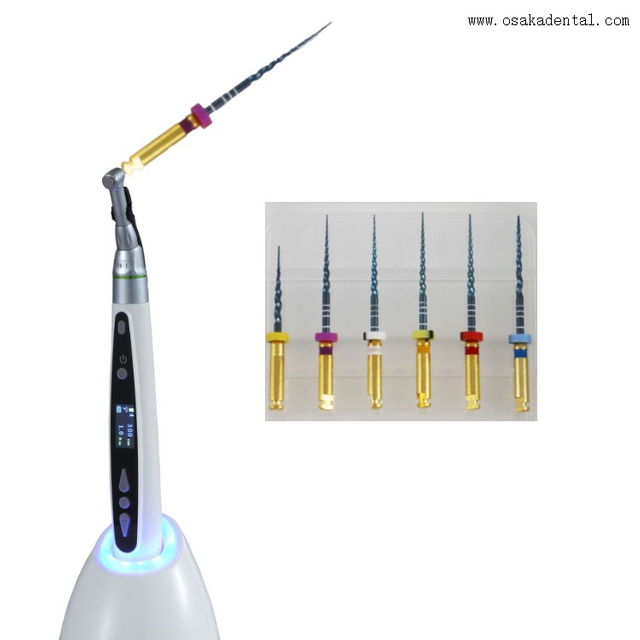
Digital dentistry is transforming the landscape of endodontics by introducing innovative technologies that enhance both patient care and environmental sustainability. Through the use of digital tools, dental professionals can streamline their workflows, reduce waste, and improve the accuracy of diagnoses and treatments. For instance, digital imaging techniques, like Cone Beam Computed Tomography (CBCT), allow for precise visualization of tooth structures. This precision minimizes unnecessary procedures, reducing the number of instruments used and the overall environmental impact.
Moreover, digital impressions eliminate the need for traditional impression materials, which often contribute to waste. By using intraoral scanners, dentists can create accurate 3D models of patients' teeth without the mess and material waste associated with conventional methods. This shift not only benefits the environment but also enhances patient comfort and satisfaction.
The development of advanced materials is another key innovation driving sustainability in dental endodontics. Traditionally, many endodontic instruments, such as files, were made from materials that had significant environmental footprints. However, the introduction of eco-friendly alternatives, like biodegradable and recyclable materials, is changing the game.
For example, some manufacturers are now producing endodontic files from materials that can be safely disposed of without harming the environment. These advancements not only reduce waste but also enhance the performance of dental instruments. High-quality materials like nickel-titanium offer superior flexibility and durability, allowing for more efficient treatments while minimizing resource consumption.
Computer-Aided Design and Computer-Aided Manufacturing (CAD/CAM) systems are revolutionizing the way dental instruments are created and utilized in endodontics. These systems allow for the precise design and fabrication of dental tools tailored to specific patient needs. By using CAD/CAM technology, dental practices can produce instruments on-demand, reducing inventory waste and ensuring that only necessary tools are manufactured.
Additionally, CAD/CAM systems enable the creation of custom-fitted endodontic solutions, enhancing treatment outcomes and patient satisfaction. This technology not only streamlines the production process but also encourages the use of sustainable materials, contributing to a greener dental practice.
Effective waste management is crucial in dental practices, especially in endodontics, where various materials are used. Implementing recycling protocols can significantly reduce the environmental impact. Dental offices can start by segregating waste into categories: recyclable, hazardous, and general waste. For example, materials like paper, plastics, and metals can be recycled. By working with local waste management companies, practices can ensure that recyclable materials are processed correctly, minimizing landfill contributions.
It's essential to educate staff on proper waste disposal methods. Regular training sessions can help reinforce the importance of recycling and proper waste management. Additionally, dental practices can partner with organizations focused on sustainability to enhance their recycling efforts. This collaboration can lead to the development of more effective waste management strategies tailored to specific needs.
The disposal of dental endodontic files poses a unique challenge due to their classification as potentially hazardous waste. Many countries have strict regulations regarding the disposal of such materials. To comply with these regulations, dental practices should implement a systematic approach to file disposal. This includes using designated sharps containers for used files, which are then properly disposed of by licensed medical waste disposal services.
Moreover, practices can explore alternative disposal methods, such as autoclaving files for sterilization before disposal. This method can reduce the risk of infection and environmental contamination. Engaging in discussions with local waste disposal authorities can help dental practices stay updated on regulations and best practices for file disposal.
Reducing landfill contributions is a significant goal for sustainable endodontics. One effective strategy is to minimize the use of single-use items. By transitioning to reusable instruments and materials, dental practices can significantly decrease the volume of waste generated. For instance, investing in high-quality, sterilizable endodontic files can reduce the amount of waste produced during procedures.
Additionally, practices can implement a "green" purchasing policy, prioritizing products made from recycled or eco-friendly materials. This approach not only helps reduce waste but also encourages manufacturers to adopt sustainable practices. Furthermore, dental offices can engage patients in sustainability efforts by promoting eco-friendly practices, such as using digital communications instead of paper.
Patient awareness plays a crucial role in promoting sustainability in dental practices. When patients understand the environmental impact of dental procedures and the materials used, they are more likely to support eco-friendly practices. Educating patients about the benefits of sustainable dentistry fosters a sense of responsibility and encourages them to participate in efforts to reduce waste and carbon emissions. This can include choosing treatments that minimize resource consumption or opting for practices that prioritize the use of reusable and recyclable materials.
Moreover, informed patients are more likely to ask questions about the sustainability practices of their dental providers. This creates an opportunity for dental professionals to explain their commitment to eco-friendly practices and the steps they are taking to minimize their environmental footprint. By engaging patients in conversations about sustainability, dental practices can build trust and strengthen the patient-provider relationship.
Digital platforms are powerful tools for enhancing patient education about sustainable dentistry. Dental practices can leverage websites, social media, and mobile applications to disseminate information about eco-friendly practices, treatment options, and the importance of sustainability in oral healthcare. For instance, practices can create blog posts, videos, and infographics that explain how certain procedures, like single-visit treatments, contribute to reducing waste.
Additionally, online resources can provide patients with tips on maintaining oral health sustainably, such as using biodegradable dental products or participating in recycling programs for dental materials. By providing accessible and engaging content, dental practices can empower patients to make informed choices that align with their values regarding sustainability.
Promoting eco-friendly practices to patients is essential for integrating sustainability into everyday dental care. Dental professionals can encourage patients to adopt sustainable habits, such as:
Choosing Reusable Products: Suggesting the use of reusable toothbrushes and biodegradable floss can significantly reduce plastic waste.
Participating in Recycling Programs: Educating patients on how to recycle dental products, like toothpaste tubes and toothbrushes, can help minimize landfill contributions.
Opting for Digital Communication: Encouraging patients to receive electronic reminders and educational materials can reduce paper use in dental practices.
Furthermore, dental practices can highlight their own sustainability initiatives, such as using digital records, energy-efficient equipment, and eco-friendly materials. When patients see their providers actively engaging in sustainable practices, they are more likely to follow suit.
Sustainability in dental endodontics is essential. The article discusses the carbon footprint of dental practices and highlights the importance of Life Cycle Assessment for dental instruments. It emphasizes the need for resource conservation, innovative techniques, and waste management strategies. Minimally invasive methods and the reusability of instruments can significantly reduce environmental impacts. Osakadent offers high-quality, eco-friendly endodontic files that enhance patient care while promoting sustainability. Embracing these practices is vital for a greener future in dentistry.
A: Dental endodontic files are specialized instruments used in root canal procedures to clean and shape the root canal system.
A: Dental endodontic files are used to remove infected tissue and debris from the root canal, allowing for effective cleaning and preparation for filling.
A: Sustainability is crucial as traditional single-use dental endodontic files contribute to waste; adopting reusable options can significantly reduce environmental impact.
A: While single-use dental endodontic files may have a lower upfront cost, reusable files can lead to long-term savings by reducing waste and replacement costs.
A: Dental practices can improve sustainability by implementing recycling protocols, opting for reusable dental endodontic files, and utilizing digital technologies to minimize waste.