 English

Views: 0 Author: Site Editor Publish Time: 2026-03-31 Origin: Site


Have you ever wondered how dentists ensure precision during root canal treatments?Dental endodontic files play a crucial role in this process, shaping and cleaning the intricate anatomy of root canals. In this article, we’ll explore the types of dental endodontic files, their importance, and the ISO standards that govern their quality and safety.
NiTi files have become a staple in endodontic procedures due to their unique properties. Made from a nickel-titanium alloy, these files exhibit excellent flexibility and resistance to cyclic fatigue. This flexibility allows them to navigate the complex anatomy of root canals, making them ideal for curved or narrow spaces. They can be used in both rotary systems and manual techniques, offering versatility for different clinical situations. NiTi files are generally preferred over traditional stainless-steel files because they reduce the risk of file fracture and improve overall treatment outcomes.
K-files are among the most commonly used manual files in endodontics. They are typically made of stainless steel and are designed with a twisted square cross-section. This design allows for effective cleaning and shaping of the root canal. K-files are particularly useful for locating canals and creating a glide path prior to using rotary files. Available in various sizes, K-files can be used in a reciprocating motion, providing dentists with better control during procedures.
Hedstrom files feature a unique spiral cone shape and are designed to cut in one direction—when being pulled out of the canal. This design allows them to remove large amounts of tissue efficiently. They are particularly effective when shaping and cleaning the canal, making them a valuable tool in the endodontic arsenal. However, due to their aggressive cutting action, Hedstrom files require careful handling to avoid damaging the canal walls.
Flexible endodontic files are specifically designed to navigate the intricate anatomy of curved canals. These files are made from advanced materials that provide superior flexibility without compromising strength. They are particularly useful in cases where traditional files may be too rigid, reducing the risk of fracture during use. Flexible files can adapt to the shape of the canal, making them ideal for challenging cases. Their design allows for effective cleaning and shaping while minimizing the risk of procedural complications.
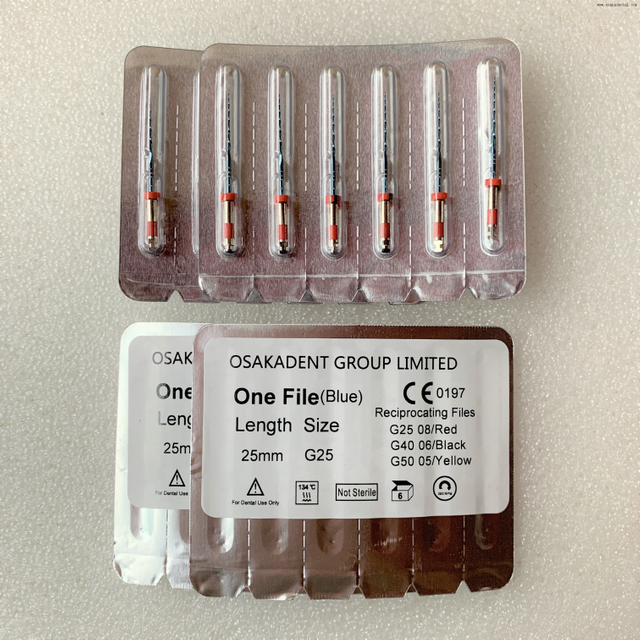
Taper refers to the gradual increase in diameter of an endodontic file as it extends from its tip to the handle. It is a crucial design feature that affects the file's cutting efficiency and its ability to navigate the complex anatomy of root canals. For example, a file with a taper of 0.02 mm means that for every 1 mm of length from the tip, the diameter increases by 0.02 mm. This consistent increase allows for effective shaping and cleaning of the canal walls.
Endodontic files come in various tapers, which can significantly influence their performance. Standard hand files, like K-files, typically have a taper of 0.02, while rotary NiTi files often feature larger tapers of 0.04 or 0.06. The choice of taper can depend on the specific clinical situation. For instance, a larger taper may facilitate faster removal of dentin and debris but can also increase the risk of canal transportation in curved canals. Understanding these differences helps clinicians select the appropriate file for their treatment needs.
The taper of an endodontic file plays a vital role in its performance during root canal treatment. A well-designed taper can enhance cutting efficiency, allowing the file to remove dentin more effectively. It also influences the file's flexibility and resistance to fracture. Files with a larger taper tend to be more aggressive in cutting but may compromise the structural integrity of the file, especially in challenging canal configurations. Conversely, files with a smaller taper offer better control and reduced risk of canal transportation. Thus, selecting the appropriate taper is critical for achieving optimal treatment outcomes.
The International Organization for Standardization (ISO) plays a crucial role in ensuring the quality and safety of dental instruments, including endodontic files. ISO standards provide a framework for manufacturers to produce consistent, high-quality products that meet the needs of dental professionals. These standards cover various aspects, including dimensions, taper, and color coding of endodontic files, ensuring that practitioners can rely on the tools they use in root canal treatments.
ISO 3630 is the primary standard governing endodontic instruments, outlining the general requirements and test methods for these tools. This standard includes specifications for file dimensions, including tip diameter and taper, which are essential for effective root canal treatment. By adhering to these standards, manufacturers can ensure their products are safe and effective for clinical use.
ISO standards categorize endodontic files by size, indicated by a unique numbering system. Each number corresponds to the tip diameter in hundredths of a millimeter. For instance, a size #10 file has a tip diameter of 0.10 mm, while a size #25 file has a tip diameter of 0.25 mm. This uniform sizing allows for easy identification and selection of files based on the specific clinical needs of each case.
Additionally, ISO standards dictate color coding for endodontic file handles. Each size has a designated color, enhancing visibility and ease of use during procedures. For example:
Size #10: Purple
Size #15: White
Size #25: Red
Size #30: Blue
This color coding system not only aids in quick identification but also helps reduce the risk of using the wrong file size during treatment, which can lead to complications.
Standardization in endodontics is vital for several reasons. Firstly, it ensures consistency across different manufacturers, allowing dental professionals to trust that files from various sources will perform similarly. This reliability is crucial in a field where precision and safety are paramount.
Secondly, ISO standards facilitate communication between manufacturers and dental practitioners. When files are produced according to these standards, dentists can confidently choose instruments that meet their specific requirements, knowing they align with international best practices.
Finally, adherence to ISO standards can enhance patient safety. By ensuring that endodontic files are manufactured to specified dimensions and quality, the risk of instrument failure during procedures is minimized. This reliability contributes to better treatment outcomes and patient satisfaction.
When selecting dental endodontic files, compatibility with existing handpieces is crucial. Most modern NiTi files are designed to fit a range of handpieces, ensuring flexibility in clinical practice. This compatibility allows dentists to transition smoothly between different systems without the need for extensive retraining or additional investments in new equipment. It's essential to verify that the files you choose are compatible with the handpieces already in use in your practice, as this can significantly enhance workflow efficiency.
To streamline the endodontic procedure, many manufacturers offer assorted packs of endodontic files. These packs typically include various sizes and types of files that a clinician might need for a single procedure. This not only saves time spent searching for individual files but also ensures that the dentist has the right tools readily available for different canal anatomies. By utilizing assorted packs, practitioners can enhance their preparedness for a wide range of clinical scenarios, thus improving overall patient care.
Transitioning between different endodontic file systems can be a daunting task for many practitioners. However, selecting files that are designed for similar techniques can ease this process. For example, some brands, like EdgeEndo and WaveOne, have developed files that can be used in a comparable sequence and technique. This similarity allows dentists to switch systems without needing to relearn the entire process, thus maintaining treatment consistency and efficiency. It’s advisable for practitioners to familiarize themselves with the nuances of any new system before fully integrating it into their practice.
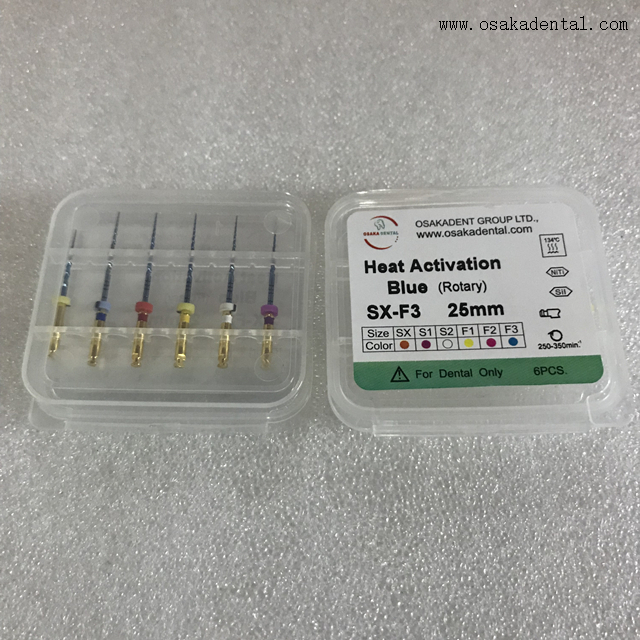
Cyclic fatigue refers to the repeated stress placed on endodontic files during use, particularly in curved canals. As files rotate within the canal, they encounter varying degrees of resistance, leading to flexural stress. This stress can ultimately result in fracture, especially when files are subjected to multiple cycles of bending. The risk of cyclic fatigue increases in more complex canal anatomies, where sharp curves and tight spaces are common.
Several factors influence a file's resistance to cyclic fatigue:
Material Composition: Files made from advanced nickel-titanium (NiTi) alloys generally exhibit superior flexibility and resistance to cyclic fatigue compared to traditional stainless steel files. The unique properties of NiTi allow it to withstand stress without permanent deformation.
File Design: The design of the file, including its taper and cross-sectional shape, significantly affects its performance. Files with a greater taper may cut more aggressively but can also be more prone to fracture in curved canals. Conversely, files with a smaller taper provide better control and flexibility, reducing the risk of cyclic fatigue.
Canal Curvature: The anatomy of the root canal is crucial. Files used in highly curved canals experience more stress and are at a greater risk of breaking. Understanding the specific curvature of the canal can help clinicians select files that are more suited for the task, thereby minimizing the risk of fracture.
Technique and Operator Experience: The technique employed during the procedure can also impact the resistance to cyclic fatigue. Experienced operators may better manage the stresses applied to the file, while less experienced practitioners may inadvertently increase the risk of instrument failure through improper technique or excessive force.
When selecting endodontic files, it's essential to consider the curvature of the canal. For instance:
Straight Canals: In straight canals, files with standard designs can be effective, as the risk of cyclic fatigue is lower.
Curved Canals: For canals with significant curvature, using files specifically designed for flexibility, such as heat-treated NiTi files, can enhance performance and reduce the likelihood of fracture.
Severe Curvature: In cases of extreme curvature, it may be beneficial to utilize a combination of hand files and rotary files, allowing for gradual shaping and minimizing the risk of breaking a file.
By understanding these factors and making informed choices, clinicians can improve their success rates and enhance patient outcomes during endodontic procedures.
When it comes to dental endodontic files, cost can vary significantly based on the type and brand. NiTi (Nickel-Titanium) files, known for their flexibility and resistance to fracture, tend to be more expensive than traditional stainless-steel files. For instance, a pack of NiTi rotary files can range from $30 to $60, while stainless-steel K-files may cost between $10 and $20 for a similar quantity.
Moreover, the pricing of files can also depend on their design and technology. Advanced files, like those made from heat-treated NiTi or with unique geometries, often command higher prices due to their enhanced performance and durability. For example, heat-treated files may cost around $50 for a pack, reflecting their superior resistance to cyclic fatigue and ability to navigate complex canal anatomies.
While the initial cost of endodontic files is an important consideration, the value they bring to dental practices should not be overlooked. Investing in higher-quality files can lead to better treatment outcomes, reduced risk of instrument fracture, and improved patient satisfaction.
For example, using NiTi files can decrease the likelihood of treatment complications, such as file breakage or canal transportation, which can result in additional procedures and costs. Therefore, while the upfront investment in premium files may be higher, the long-term savings from fewer complications and better treatment success can justify the expense.
Additionally, some brands offer bulk purchasing options or assorted packs, which can provide cost savings for dental practices. By purchasing in bulk, practitioners can ensure they have a variety of file sizes and types on hand, ready for different clinical situations, thus enhancing efficiency and convenience.
Dental practitioners looking for the best deals on endodontic files should explore various purchasing options. Dental supply companies often run promotions or offer discounts on bulk orders. Online retailers like Kent Express frequently provide competitive pricing and special offers on popular brands of endodontic files.
Moreover, joining dental associations or groups can sometimes grant access to exclusive discounts from suppliers. It's also beneficial to compare prices across different vendors to ensure you're getting the best value for your investment.
Dental endodontic files are essential tools in root canal treatments. Understanding ISO standards ensures quality, safety, and consistency in file dimensions and performance. Different file types, such as NiTi and K-files, offer unique benefits for various clinical situations. Future trends may focus on advanced materials and designs for improved flexibility and resistance to cyclic fatigue. Choosing the right files, like those from Osakadent, can enhance treatment outcomes and patient satisfaction, providing exceptional value to dental practices.
A: Dental Endodontic Files are specialized instruments used in root canal procedures to clean and shape the root canal system.
A: Selecting Dental Endodontic Files depends on factors like canal anatomy, file material, and the specific clinical situation.
A: NiTi Dental Endodontic Files offer superior flexibility and resistance to fracture, making them ideal for navigating complex canal shapes.
A: The cost of Dental Endodontic Files varies; NiTi files typically range from $30 to $60, while stainless steel files may cost $10 to $20.
A: To minimize cyclic fatigue in Dental Endodontic Files, choose files designed for flexibility and assess canal curvature before use.


